

Serving The
Defense Industry
A trusted partner supporting the Department of Defense,
Military Services, and Programs of Record in modernizing
cybersecurity, cryptographic trust, and high-assurance systems.
Enabling Trusted Defense Systems
A trusted partner for Military Services, Programs of Record, and mission partners navigating cryptographic modernization, secure software and system design, and the challenges of building high-assurance technologies for complex mission environments. TrustThink helps defense customers design and evolve trusted system architectures with confidence, while preparing for future threats and mission demands.
Our expertise focuses on enabling a strong trust layer early in the system lifecycle through model-based systems engineering (MBSE), architecture development, and modeling and simulation. By addressing trust, identity, cryptography, and assurance at the architectural level, TrustThink helps programs make informed design decisions before implementation, reducing risk and supporting long-term system viability.

Cryptography &
Trust Infrastructure
Supporting the design and modernization of cryptographic systems, including PKI, encryption, and key management, to enable secure communications and trusted operations across distributed and constrained defense networks.

High-Assurance Systems & Operational Management
Designing and modeling secure discovery, monitoring, and operational management for high-assurance devices and networks, using modern, standards-based approaches to support visibility and control in mission environments.

Secure Software, Assurance
& Emerging Capabilities
Supporting secure software development, software assurance, and the evaluation of emerging capabilities, including AI-enabled systems, to help defense organizations deploy advanced technologies with appropriate levels of trust and confidence.
Trusted Defense Systems
& Architectures
Defense systems increasingly depend on software, cryptography, distributed networks, and data-driven capabilities to operate across joint, coalition, and contested environments. As these systems become more interconnected, the ability to establish, manage, and evolve trust across platforms, networks, and organizations is foundational to mission success.
Gaps in cryptographic trust, identity management, software assurance, or system architecture can limit interoperability, constrain modernization efforts, and introduce long-term risk—particularly as programs adapt to new threats, integrate emerging technologies, and plan for future capabilities such as post-quantum cryptography and AI-enabled systems.
The Department of Defense and its Programs of Record need practical, standards-informed approaches to design trust into systems early, supporting informed architectural decisions, reducing downstream risk, and enabling resilient, high-assurance systems over their full lifecycle.
How TrustThink Helps:
Enabling Cryptographic Trust & Key Management
We support the design and modernization of cryptographic trust infrastructures, including PKI, encryption, and key management, to help programs establish secure identity, communications, and interoperability across distributed defense environments.
Designing High-Assurance System Architectures
We help programs design and evaluate high-assurance system architectures by addressing trust boundaries, secure discovery, and control interfaces—ensuring that security and assurance considerations are embedded at the architectural level.
Model-Based Systems Engineering & Simulation
We apply model-based systems engineering (MBSE) and modeling and simulation to help defense teams explore design options, assess tradeoffs, and understand how trust, cryptography, and assurance mechanisms behave across complex systems of systems.
Secure Software & System Assurance
We support secure software development and assurance activities, helping programs identify risks early and align software design with cryptographic, architectural, and assurance requirements for high-consequence environments.
Preparing for Emerging Capabilities
We help programs think ahead to emerging challenges, including post-quantum cryptography and AI-enabled systems, by evaluating how new capabilities impact trust models, architectures, and long-term system viability.
Trusted Software & AI for Defense Systems
AI-enabled capabilities are increasingly embedded in defense systems, drawing on diverse data sources and interacting with other mission software in real time. As these systems evolve, trust is no longer limited to software execution — it extends to the integrity of models, the authenticity of data feeds, and the control of updates and access over time.
TrustThink supports defense customers by applying both model-level assurance and cryptographic trust mechanisms to AI-enabled systems, helping programs establish confidence in how these systems operate and evolve in contested environments.

Uncrewed System Cybersecurity & Assurance

Cryptographic Trust for AI Systems & Data

Controlling AI Evolution Through Key Management
Uncrewed System Cybersecurity & Assurance
In collaboration with AUVSI, TrustThink supports the evaluation of uncrewed aerial systems under established cybersecurity and trust frameworks. This work helps developers and programs assess platform security posture, supply chain considerations, and readiness for defense use.
Cryptographic Trust for AI Systems & Data
We support the design of cryptographic trust layers for AI-enabled systems, applying PKI, encryption, and key management to protect models, training artifacts, and runtime data feeds that interact with AI components.
Controlling AI Evolution Through Key Management
We help programs define cryptographic and key management approaches that govern who can access, update, and invoke AI models, supporting controlled updates, trusted data ingestion, and long-term assurance as systems evolve.
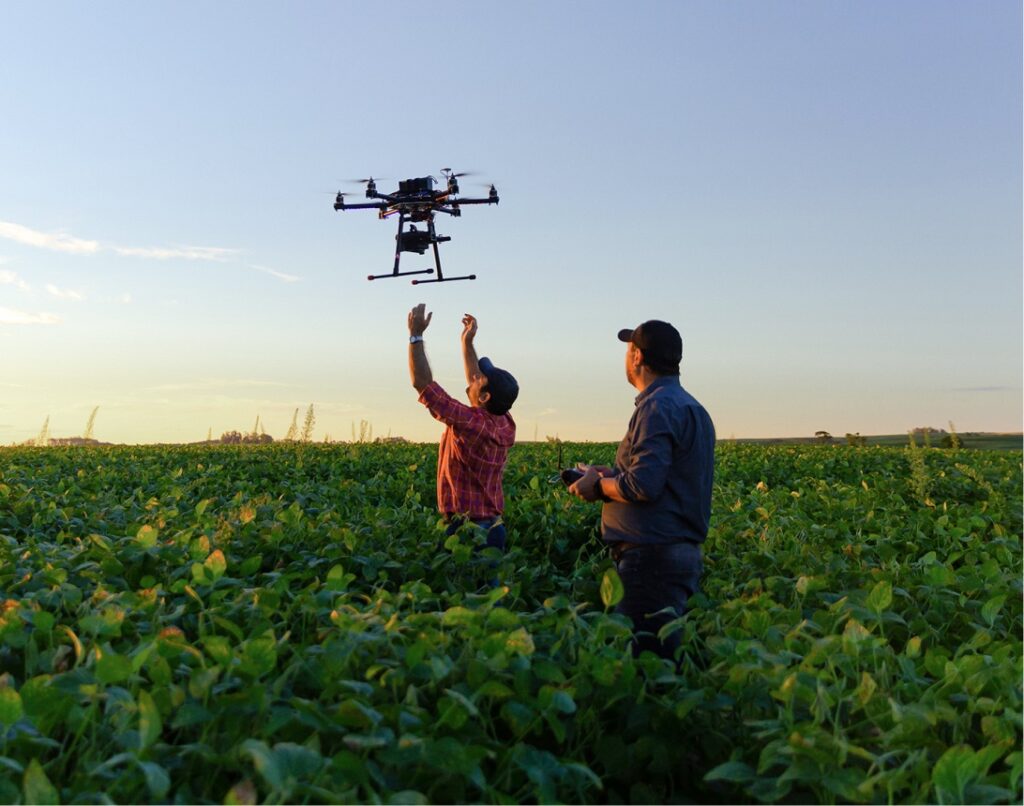
Assuring Uncrewed Systems for Defense Use
Uncrewed aerial systems (UAS) are increasingly used across defense missions, where trust in platform hardware, software, and supply chains is essential. As these systems move from experimentation into operational contexts, programs must demonstrate that uncrewed platforms meet defined cybersecurity and assurance expectations before they are relied upon in mission environments.
TrustThink works with defense innovators and ecosystem partners to help evaluate uncrewed systems against established trust and cybersecurity frameworks, supporting informed decisions about platform readiness and risk.
How TrustThink Helps

Uncrewed System Cybersecurity & Assurance
In collaboration with AUVSI, TrustThink supports the evaluation of uncrewed aerial systems under established cybersecurity and trust frameworks. This work helps developers and programs assess platform security posture, supply chain considerations, and readiness for defense use.
Our Work in Action
TrustThink supports the Department of Defense and its mission partners by applying rigorous engineering, modeling, and cryptographic expertise to complex trust and assurance challenges. Our work focuses on helping programs understand system behavior, evaluate modernization paths, and design defensible approaches to trust across evolving defense networks.
Modeling & Simulation of High-Assurance Devices and Networks
We have conducted modeling and simulation of high-assurance devices to identify gaps and capabilities related to discovery, operational management, and integration of modern management approaches across defense networks. This work examined how emerging management technologies, such as YANG-based data models and NETCONF/RESTCONF interfaces—can be applied to optimize operational management and visibility. As part of this effort, we supported the design of a YANG operational model to enable more consistent, standards-based management of high-assurance devices.
DARPA: Commercializing Cryptography at Scale
Under a DARPA-sponsored effort focused on commercializing cryptography at scale, TrustThink supported the evaluation of encryption approaches across distributed robotic and mobile operations. This work involved simulating cryptographic use across distance and mobility constraints to better understand how Department of Defense cryptographic technologies can be applied in commercially viable, operationally realistic scenarios.
Strategic Roadmap for Cryptographic Modernization Across the Department of Defense
TrustThink supported the development of a strategic roadmap for cryptographic modernization across the Department of Defense. This effort included guiding a cryptographic gap analysis and helping define requirements to strengthen DoD operations through standardized, high-assurance cryptography and key management, supporting long-term interoperability and modernization objectives.
Ready to Strengthen Trust
Across Defense Systems?
Whether evaluating high-assurance architectures, modernizing cryptographic approaches,
or exploring new trust and management models, TrustThink helps
defense teams move forward with clarity and confidence.